Low build-up height
Functional layers can work where conventional systems reach structural or constructive limits.
FUNCTIONAL MATERIAL TECHNOLOGY
Thin, applicable material systems for thermal insulation, electric heat, fire and surface protection, developed for applications where conventional systems reach constructive limits.
PURE PARTS connects heat, thermal function, fire protection and surface protection within one shared technology and development platform. The lighthouse represents orientation, while the four segments represent the platform’s functional technology worlds.
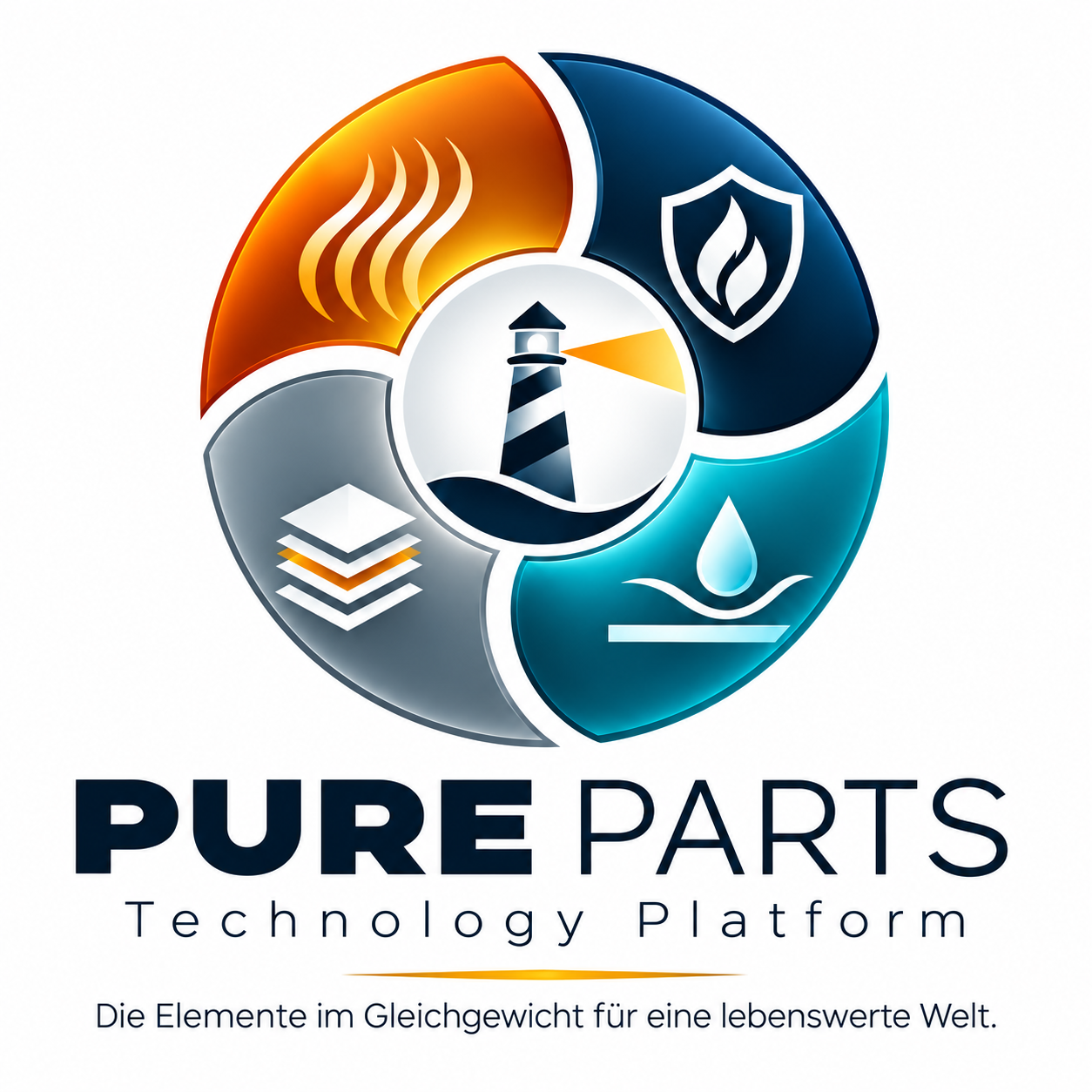


Elements in balance for a livable world.
Choose the problem- or application-oriented entry point that fits your building component, detail or evidence need.
Where space is limited, geometries are complex and surfaces are sensitive, the key is often not material mass but targeted functional integration.
Functional layers can work where conventional systems reach structural or constructive limits.
PURE addresses thermal, fire and surface-related requirements directly at the component layer.
Material systems are developed for real application scenarios, not isolated laboratory concepts.
At low layer thicknesses, microstructure can influence how heat is transported.
The relevant question is not only which material is used, but how its structure influences heat transport.
A nanoporous architecture can change effective transport within very thin layers. The resulting function must be assessed in its defined component and system context.
PURE THERMO becomes relevant where existing buildings, details, facades, interiors and technical areas place different requirements on the same system logic.
What could PURE THERMO do for your building component?
PURE THERMO is currently the most advanced product family in the platform and shows how functional material systems can address existing components and detail areas.
Functional material technologies and the product and application routes developed from them.
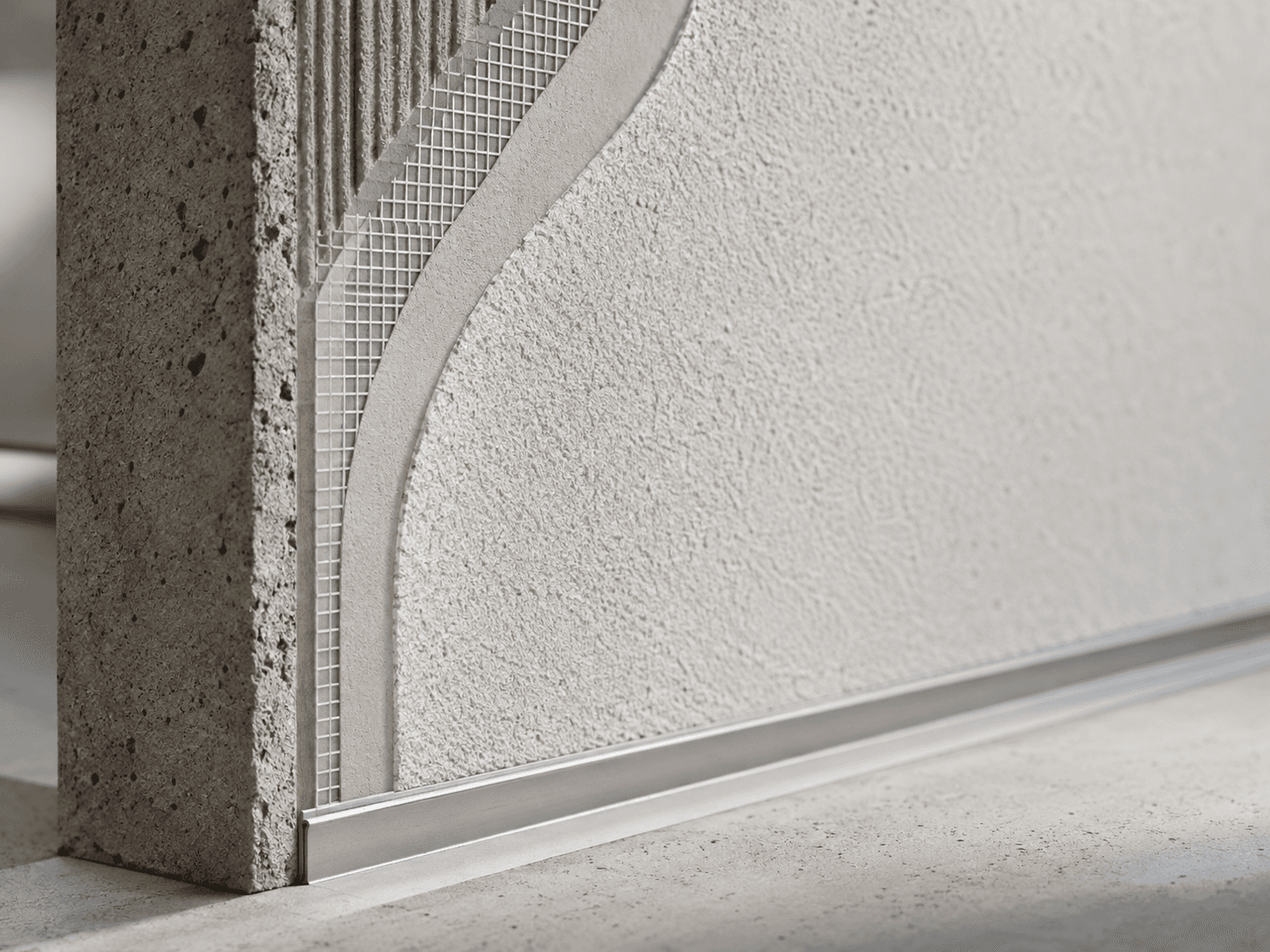
Thin coating for components, details and limited build-up heights.
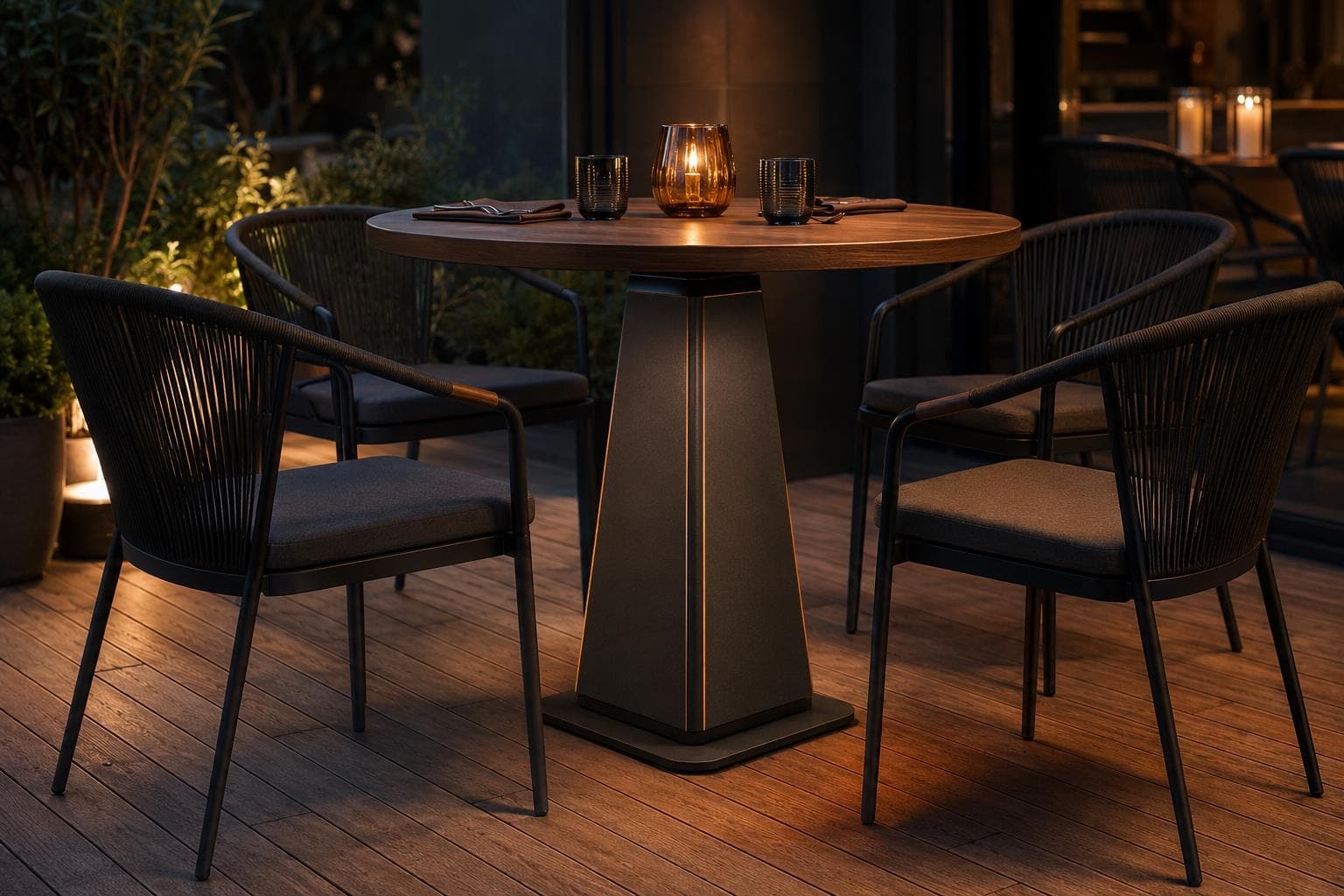
Surface electrical heat as material and module route.

Surface protection for heavily used floor areas.
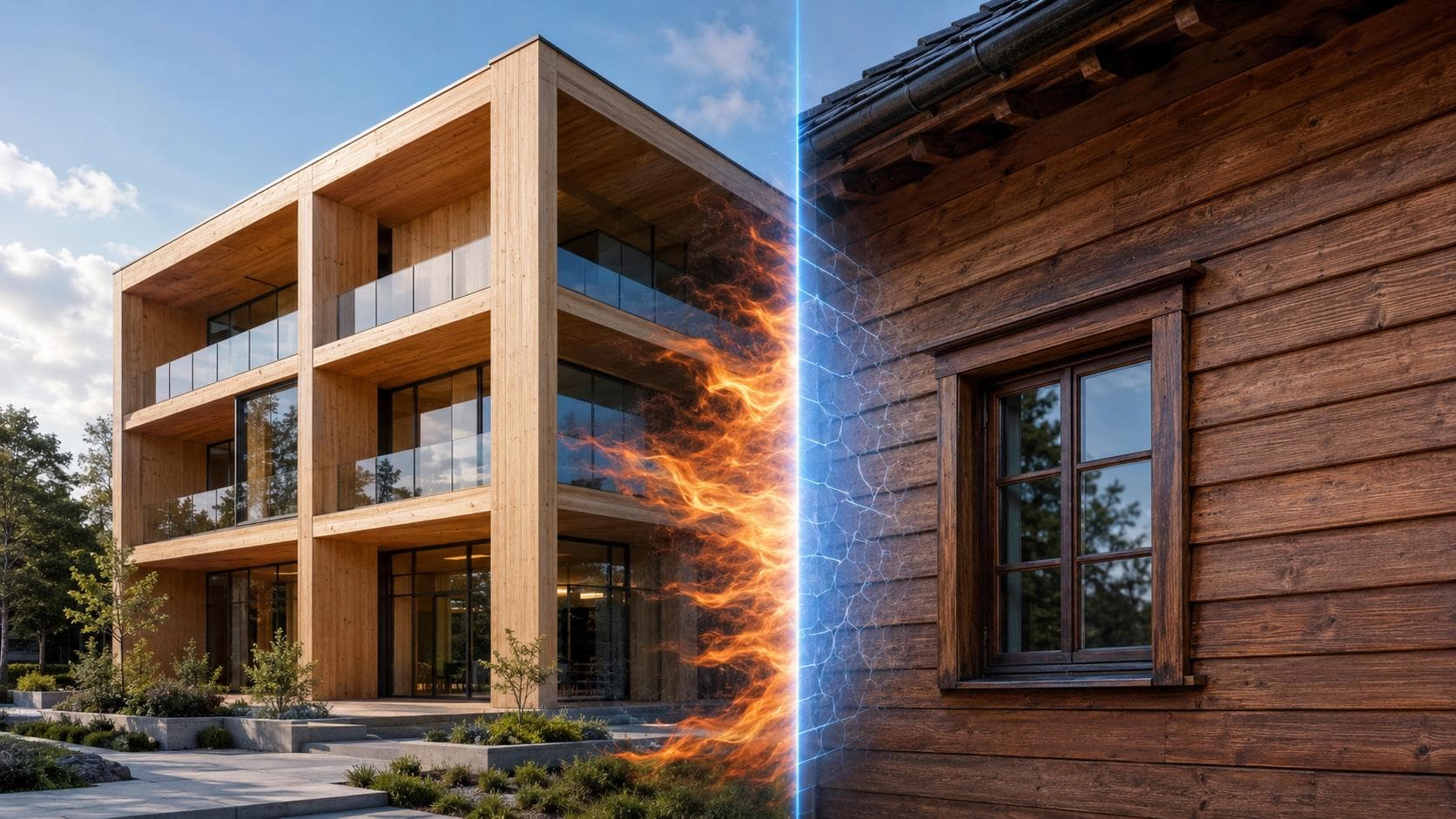
Fire-protection route with clear testing and classification logic.

Protection principle for architecture, infrastructure and industrial surfaces.

Easy-to-clean route for marine and water-exposed surfaces.

Protection route for timber components and visible wood surfaces.

Surface route for yacht and boat areas.
Technical statements are handled as an evidence legend, not as a generic marketing label.
Documented test with defined test subject.
Traceable internal documentation, project documentation or documented technical source.
Calculation with transparent assumptions and limits.
Test path, hypothesis or not-yet-released build-up.
Source: Kiwa GmbH / MPA Berlin-Brandenburg · DIN EN 12664
λ = 0.0335 W/(m·K) under documented test conditions.
Test subject THERM 4410; assignment to the current Pure Thermo version is documented separately.View detailsSource: DIN EN ISO 7783-2 / DIN EN 1062-1
V = 25.6 g/(m²·d), sd = 0.76 m, V2 - medium at approx. 7-8 mm.
μ approx. 95-109 is derived, not directly measured.View detailsSource: Calculated model from layer thickness and λ
Component-level U-value change can be calculated transparently.
No general statement on whole-building energy savings.View detailsSource: Internal development documentation
Temperature comparison as development and plausibility evidence.
Does not replace project-specific building-physics assessment.View detailsSource: External individual test / defined test build-up
Individual test applies only to the tested build-up.
Do not derive a general fire classification.View detailsSource: External individual test / defined test build-up
SBI results belong to the tested configuration.
Tested build-up only; no transfer to the combination.View detailsSource: System definition → EN ISO 11925-2 → EN 13823 → EN 13501-1
Combination route is defined as development and validation path.
No combination class without complete testing.View detailsSystem information and building-physics context.
Request documentsIntegration, technical applications and piloting.
Clarify pilot routeMarket development and structured collaboration.
Check cooperationUnderstand. Calculate. Verify. Discuss.